

SERVICE AREA
Greater Seattle Area

BUSINESS HOURS
Available 24/7
FOLLOW US


Address
31524 NE CHERRY VALLEY RD

Business Hours
M - F: 8am - 5pm
Blogs
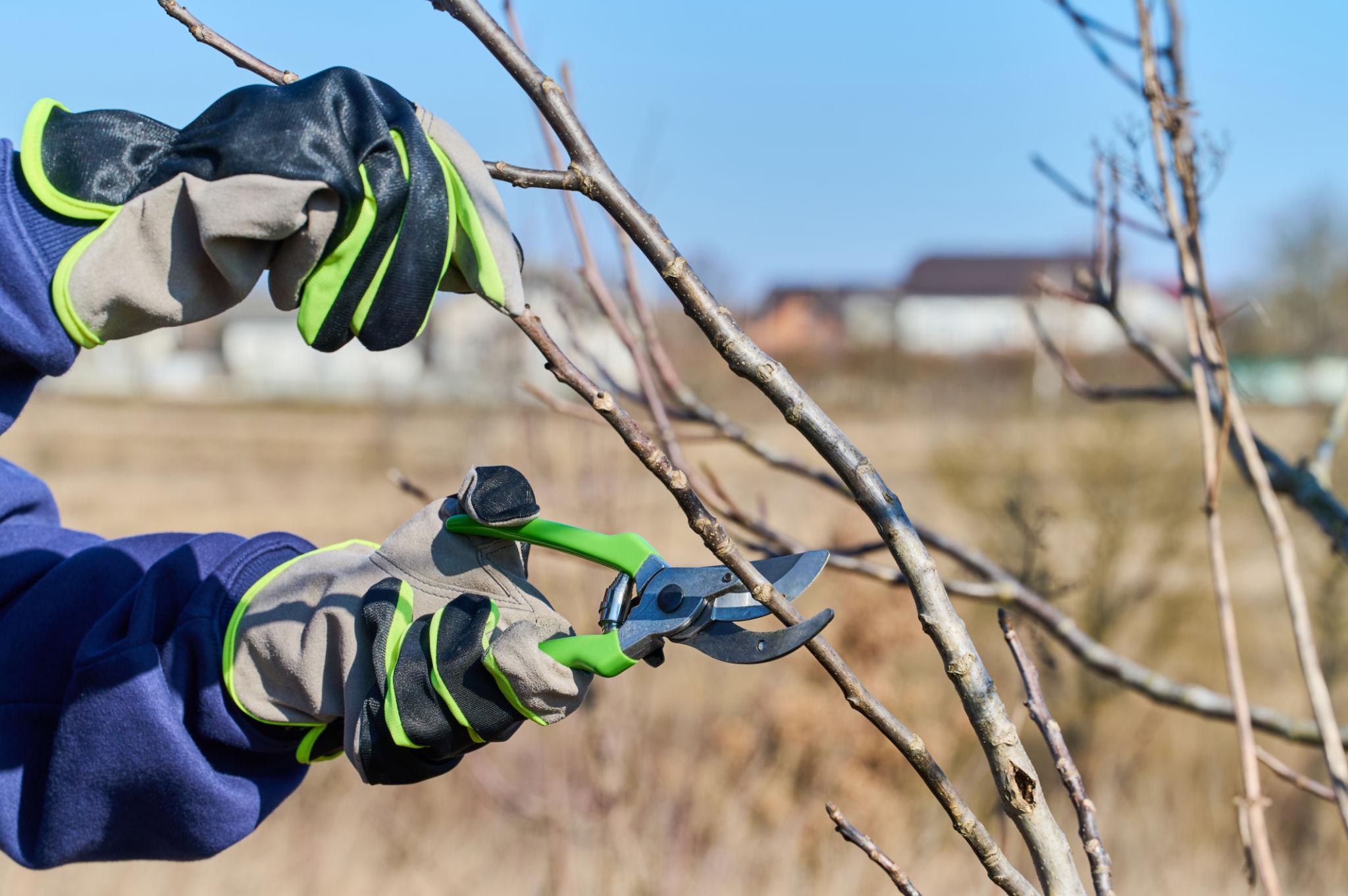
Spring Tree Care Checklist: How to Prepare Your Yard After Winter
Winter in the Pacific Northwest is tough on trees. Heavy rain, soil, snow and freezing temperatures stress, damage or weaken trees. These problems might not be visible.
By spring trees may have hidden issues like cracked bark, unstable branches or early signs of disease. If ignored these problems can become hazards later.
That's why early spring is the time to inspect and care for trees. The period between the frost and full leaf-out gives a clear view of structural issues before they get hidden by dense foliage.
This guide walks through a step-by-step checklist to protect trees, improve their health and avoid costly problems.
Key Takeaway
Early spring is the time to inspect trees before full leaf growth
Winter damage often includes limbs, bark cracks and root instability
Removing dead branches early helps trees focus energy on healthy growth
Proper mulching improves soil health and moisture retention
Early detection of pests and diseases saves time and money
Inspect Your Trees Before Full Growth Begins
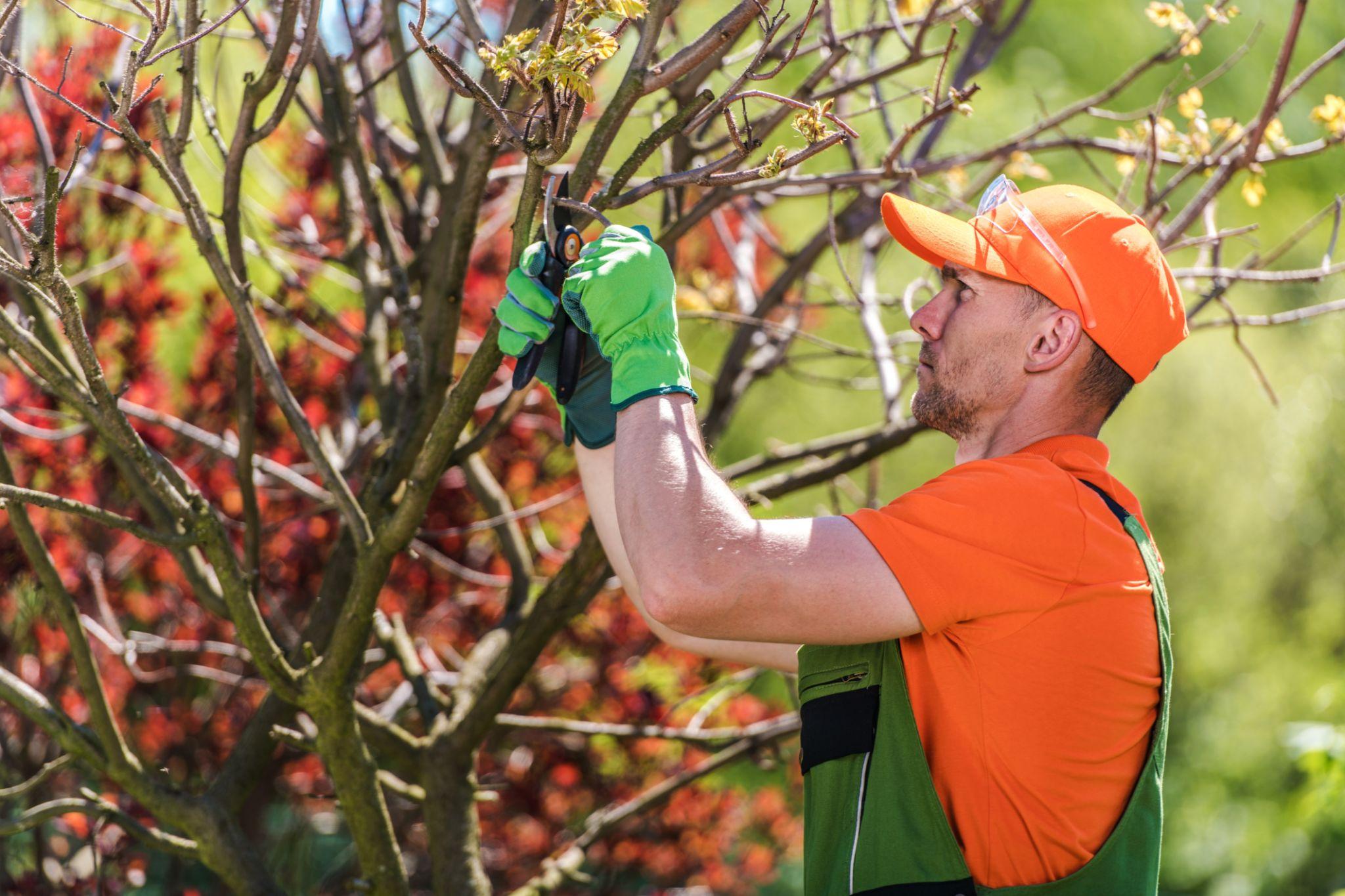
Walk around your property in spring. Observe trees while branches are still visible.
Look at each tree from a distance. Check if it's leaning differently. Winter storms and wet soil can shift roots causing instability.
Then move closer. Examine the trunk and branches. Look for:
Cracks in the bark – These appear after freezing temperatures
Leaning trees – A new tilt may indicate root movement
Dead branches – Dry, limbs with no buds
Hanging limbs – broken branches that could fall
Unusual spots or sap leaks – Possible signs of disease or pests
Try the "scratch test." Lightly scratch the bark if it's underneath the branch. If it's dry and brown it's dead.
Remove Damaged Branches
Once you've identified problem areas, prune.
Early spring is ideal because trees are coming out of dormancy. They can heal faster. Redirect energy toward healthy growth. You can handle:
dead branches
Thin shoots growing from the base
Light trimming for shape
Leave it to professionals if:
Branches are large or high up
Work requires a ladder or chainsaw
Branches are near power lines or structures
Cut outside the branch collar. Avoid leaving stubs or cutting too close.
Never top your trees. Topping weakens structure encourages growth and shortens the tree's lifespan.
Check Evergreen Trees
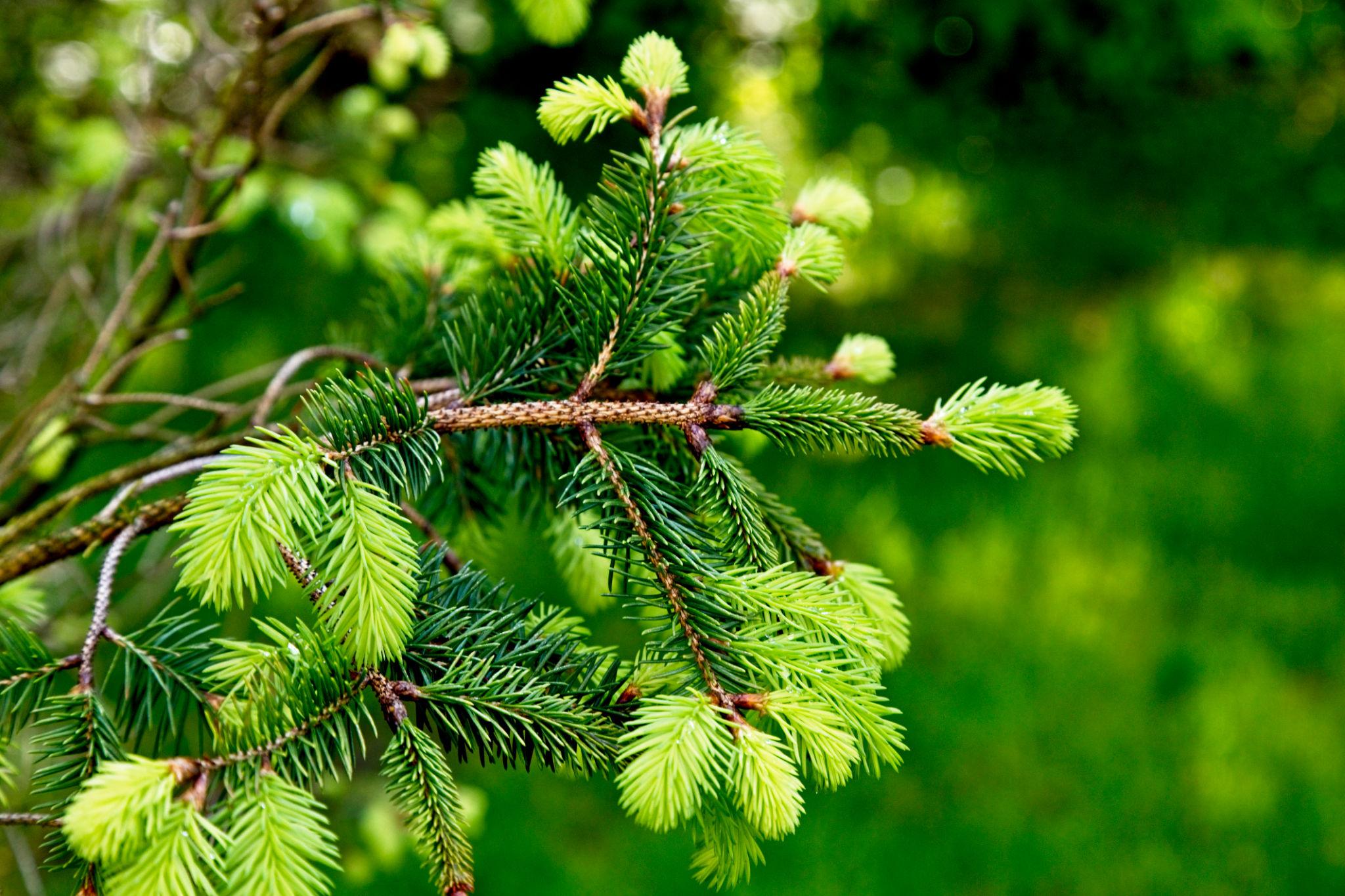
Evergreens behave differently. They keep their needles year-round. Can lose moisture during winter. This often leads to browning on exposed sides. What's normal:
Light browning on edges
What's not normal:
Browning covering a portion of the tree
Branches that snap easily
No new growth by spring
If you notice severe damage consult a professional.
Watch for Pests and Diseases
Spring is when insects and diseases become active. Catching them early prevents damage. Common signs to watch:
holes in bark
Sticky residue on leaves or branches
Distorted or curled leaves
Discoloration or unusual growth patterns
Common issues include:
Aphids feeding on growth
Fungal infections affecting leaves or bark
Caterpillars forming webs in branches
If something looks unusual take photos and consult an expert.
Apply Mulch the Right Way
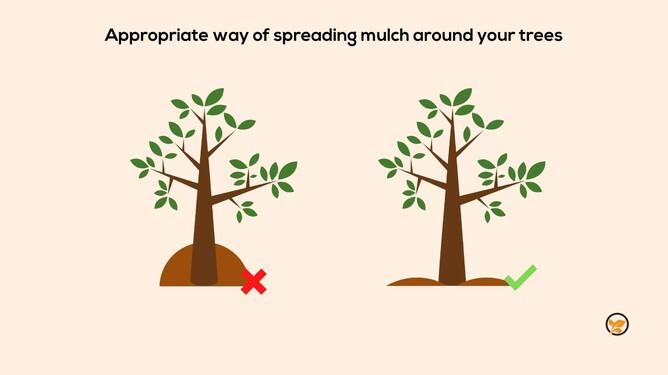
Mulching improves tree health. It has to be done correctly. Benefits of mulching:
Retains soil moisture
Regulates soil temperature
Reduces weed growth
Improves soil quality
How to do it
Apply 2–4 inches of mulch
Keep mulch 2–3 inches away from the trunk
Spread it evenly around the base
Avoid piling mulch against the trunk.
Water Young Trees
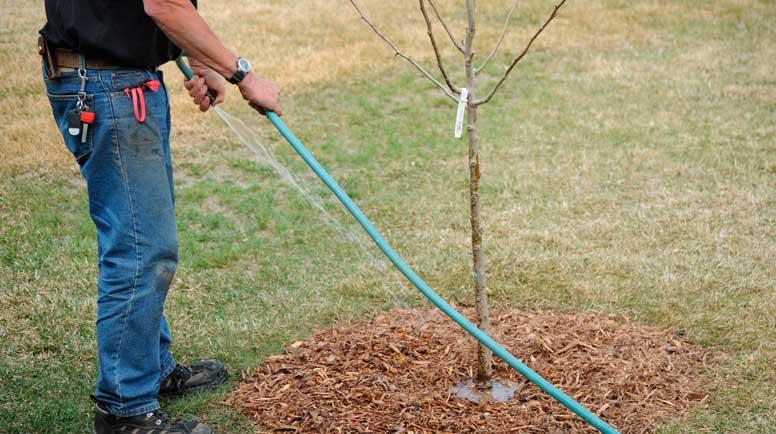
Mature trees don't need extra water in spring but younger trees do.
Trees planted within the few years are still developing their root systems and need consistent moisture. Watering tips:
Check soil moisture weekly
Water deeply not frequently
Focus on the root zone, not the trunk
Fertilize When Needed
Not all trees need fertilizer. Over-fertilizing can do more harm than good. Consider fertilizing if:
Growth seems slow
Leaves appear pale or small
The tree is recovering from stress
Avoid fertilizing if:
The tree is already healthy
There are signs of disease or pests
You're unsure about soil condition
A soil test determines what nutrients are needed.
Know When to Call a Professional
Some tree care tasks are safe for homeowners but others require experience and proper equipment. Call an expert if:
Trees are close to structures or power lines
Large branches need removal
You notice signs of disease or decline
The tree looks unstable or unsafe
Professional arborists assess tree health, identify risks and recommend solutions.
read also:- https://treeninjaspnw.com/blog/b/tree-pruning-health-safety
FAQ
1. When is the best time to prune trees?
Late winter to spring is ideal.
2. How can I tell if a branch is dead?
Use the scratch test.
3. Is winter damage permanent?
Some damage heals naturally. Structural issues should be addressed.
4. Should I mulch every year?
Yes, maintain depth and keep it away from the trunk.
5. Can I do all the tree care myself?
Basic maintenance is fine. Complex tasks should be handled by professionals.
Conclusion
Spring tree care is about prevention. Taking time to inspect, prune and maintain trees saves you from issues later. Healthy trees improve your property's appearance and provide safety, shade and long-term value. At Tree Ninjas we help homeowners keep their trees in condition, with expert care and honest advice. Contact Us Get Expert Tree Care This Spring.

Copyright © 2025 | Tree Ninjas