

SERVICE AREA
Greater Seattle Area

BUSINESS HOURS
Available 24/7
FOLLOW US


Address
31524 NE CHERRY VALLEY RD

Business Hours
M - F: 8am - 5pm
Blogs
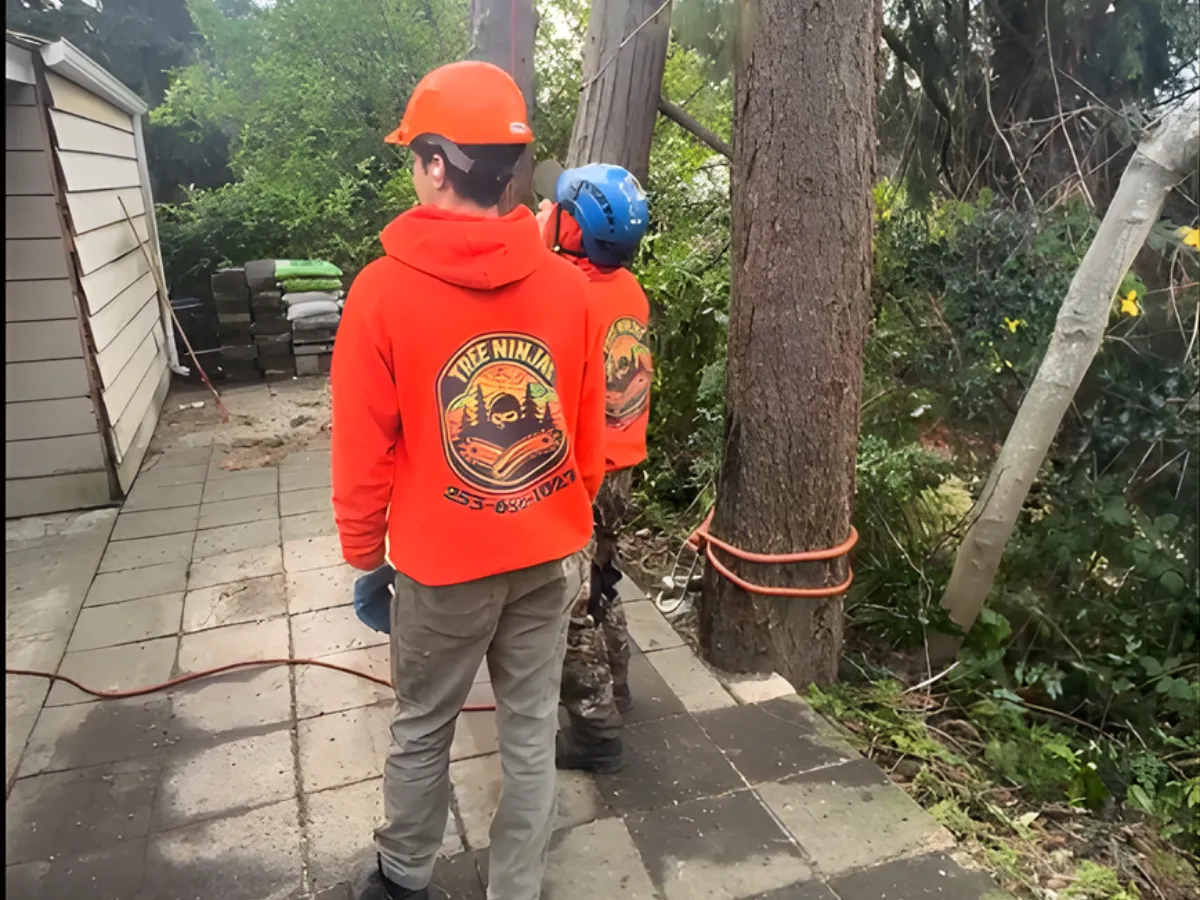
9 Essential Tree Maintenance Tips for Healthy Trees
To maintain healthy trees, regularly inspect for pests and disease, water deeply but infrequently, especially for young trees, apply a 2–4 inch mulch donut (never mulch against the trunk), prune dead or damaged branches, protect roots from compaction, improve soil health, and schedule routine professional inspections. Consistent tree maintenance strengthens structure, prevents disease, and supports long-term growth.
Healthy trees are more than just attractive landscaping; they’re long-term assets. For homeowners and property managers, consistent tree maintenance helps prevent costly damage, improves curb appeal, and protects people and structures. In regions like Seattle, where wind, rain, and compacted urban soil are common, proactive care matters even more.
Whether you manage a residential yard or commercial property, these nine essential tips will help you maintain healthier, safer trees year-round.
Key Takeaways
Tree maintenance prevents disease, damage, and safety risks
Proper pruning, watering, and mulching support healthy growth
Early inspections reduce costly tree failures
Seattle’s climate requires proactive, local tree care
Professional maintenance protects trees and property long-term
Why Tree Maintenance Matters
Trees that receive regular care live longer, grow stronger, and resist disease more effectively. Neglected trees, on the other hand, are more likely to develop structural weaknesses, pest infestations, and decay issues that often lead to emergency removals.
According to the USDA Forest Service, routine tree care can reduce tree failure risk by more than 30% in urban environments. That’s a significant difference when storms or heavy winds hit.
Maintaining healthy trees requires more than occasional trimming. Effective maintenance combines inspection, proper care techniques, and seasonal adjustments to support strong growth and prevent avoidable damage.
1. Prune Strategically, Not Excessively
Pruning is one of the most important aspects of tree maintenance—but only when done correctly.
Proper pruning:
Removes dead, diseased, or weak branches
Improves airflow and light penetration
Strengthens branch structure
Avoid over-pruning, which can stress trees and invite disease. Most trees benefit from pruning during dormancy (late winter or early spring), while light corrective pruning can be done year-round.
Professional tree care services follow ANSI A300 pruning standards to ensure cuts support long-term health.

2. Water Deeply and Consistently
Even in rainy climates, trees can suffer from improper watering. Shallow or inconsistent watering encourages weak root systems.
Best practices include:
Deep watering that reaches the root zone
Reduced frequency but longer soak times
Extra attention during dry summer months
Young trees typically need more frequent watering, while mature trees benefit from occasional deep irrigation during extended dry periods.
3. Improve Soil Health
Healthy soil equals healthy trees. Compacted or nutrient-poor soil limits root growth and reduces a tree’s ability to absorb water and nutrients.
Tree maintenance should include:
Soil testing every few years
Organic amendments when needed
Aeration around root zones in compacted areas
In urban Seattle tree care, soil compaction is one of the most common hidden stressors affecting mature trees.
4. Mulch Correctly
Mulch helps regulate soil temperature, retain moisture, and reduce weed competition but only when applied properly.
Follow the “donut method”:
Apply 2–4 inches of mulch
Keep mulch several inches away from the trunk
Extend mulch to the drip line when possible
Avoid mulch volcanoes, which trap moisture against bark and increase rot risk.
5. Inspect Trees Regularly
Routine inspections catch small problems before they become expensive emergencies.
Look for:
Cracks or splits in trunks
Leaning or sudden shifts
Dead branches in the canopy
Fungal growth at the base
Professional inspections are especially important after storms or construction activity near trees.
6. Manage Pests and Disease Early
Pests and diseases spread quickly when left untreated. Early detection is key to effective tree maintenance.
Common warning signs include:
Leaf discoloration or premature drop
Unusual holes or sawdust near bark
Sticky residue or visible insects
Certified arborists can identify issues accurately and recommend targeted treatments instead of broad chemical use.
7. Protect Roots During Construction
Tree roots often extend far beyond the visible canopy. Construction, trenching, or heavy equipment can severely damage root systems.
Best practices include:
Establishing root protection zones
Avoiding soil compaction near trees
Consulting professionals before excavation
Root damage is one of the leading causes of delayed tree decline in urban areas.
8. Adjust Care for Seasonal Changes
Tree maintenance isn’t static; it should adapt throughout the year.
Seasonal focus:
Spring: Pruning, fertilization, pest monitoring
Summer: Deep watering, drought stress checks
Fall: Structural inspections, light pruning
Winter: Dormant pruning, storm preparation
Aligning care with seasonal needs reduces stress and improves resilience.
9. Partner With Professional Tree Care Services
While basic upkeep can be handled by property owners, professional support ensures safe and effective care, especially for large or mature trees.
Professional tree care services provide:
Certified arborist assessments
Proper pruning techniques
Risk mitigation and safety planning
Long-term maintenance strategies
For complex properties and large canopies, expert Seattle tree care helps prevent liability issues and unexpected costs.

Why These Tree Maintenance Tips Matter
Tree maintenance is preventative, not reactive. Addressing issues early helps avoid emergencies, extends the life of your trees, and protects people and property. Consistent care supports overall tree stability and reduces the likelihood of sudden failures during storms or high winds.
Proper tree maintenance helps:
Reduce costly emergency removals and repairs
Extend tree lifespan by preventing decay and disease
Promote stronger root systems and structural balance
Maintain healthy canopies with improved airflow and light
Protect nearby structures, walkways, and utilities
Over time, proactive maintenance costs significantly less than responding to avoidable tree failures.
When Professional Tree Maintenance Makes Sense
While basic upkeep can be handled by homeowners, professional evaluations are essential for large, mature, or potentially hazardous trees. Certified arborists bring specialized training and equipment to identify risks that are not always visible from the ground.
Professional tree maintenance is especially important when:
Trees show signs of disease, decay, or structural weakness
Branches overhang homes, driveways, or power lines
Trees have been affected by storms or construction activity
Root zones are compacted or disturbed
Tree failure could pose safety or liability risks
An expert assessment helps ensure trees remain safe, healthy, and structurally sound while preventing minor issues from becoming major problems.
Read also: Tree Pruning vs Tree Trimming: Key Differences Explained
Frequently Asked Questions
1. How often should tree maintenance be performed?
Most trees benefit from annual inspections, with pruning every 1–3 years depending on species and condition.
2. Can improper tree maintenance cause damage?
Yes. Over-pruning, poor cuts, and incorrect watering can weaken trees and increase disease risk.
3. Is professional tree maintenance worth it?
For mature trees and urban properties, professional care significantly reduces safety risks and long-term costs.
Why Homeowners Choose Tree Ninjas for Tree Maintenance
Tree maintenance requires more than basic tools—it requires experience, precision, and an understanding of long-term tree health. Homeowners choose Tree Ninjas because our approach focuses on prevention, safety, and sustainable growth, not quick fixes.
Tree Ninjas stands out because we offer:
Certified arborist evaluations for accurate assessments
Proactive maintenance plans that reduce emergency risks
Proper pruning techniques aligned with industry standards
Careful attention to soil health, roots, and structural balance
Honest recommendations based on tree condition—not upselling
Our team understands how local conditions impact tree health, which allows us to provide reliable, long-term tree maintenance solutions that protect both trees and property.
Need Expert Tree Maintenance?
Tree Ninjas provides professional tree maintenance solutions designed for long-term health, safety, and growth. From routine inspections to expert pruning and full Seattle tree care, our team helps protect your trees and your property with confidence. Contact us today to keep your trees healthy lifetime.

Copyright © 2025 | Tree Ninjas