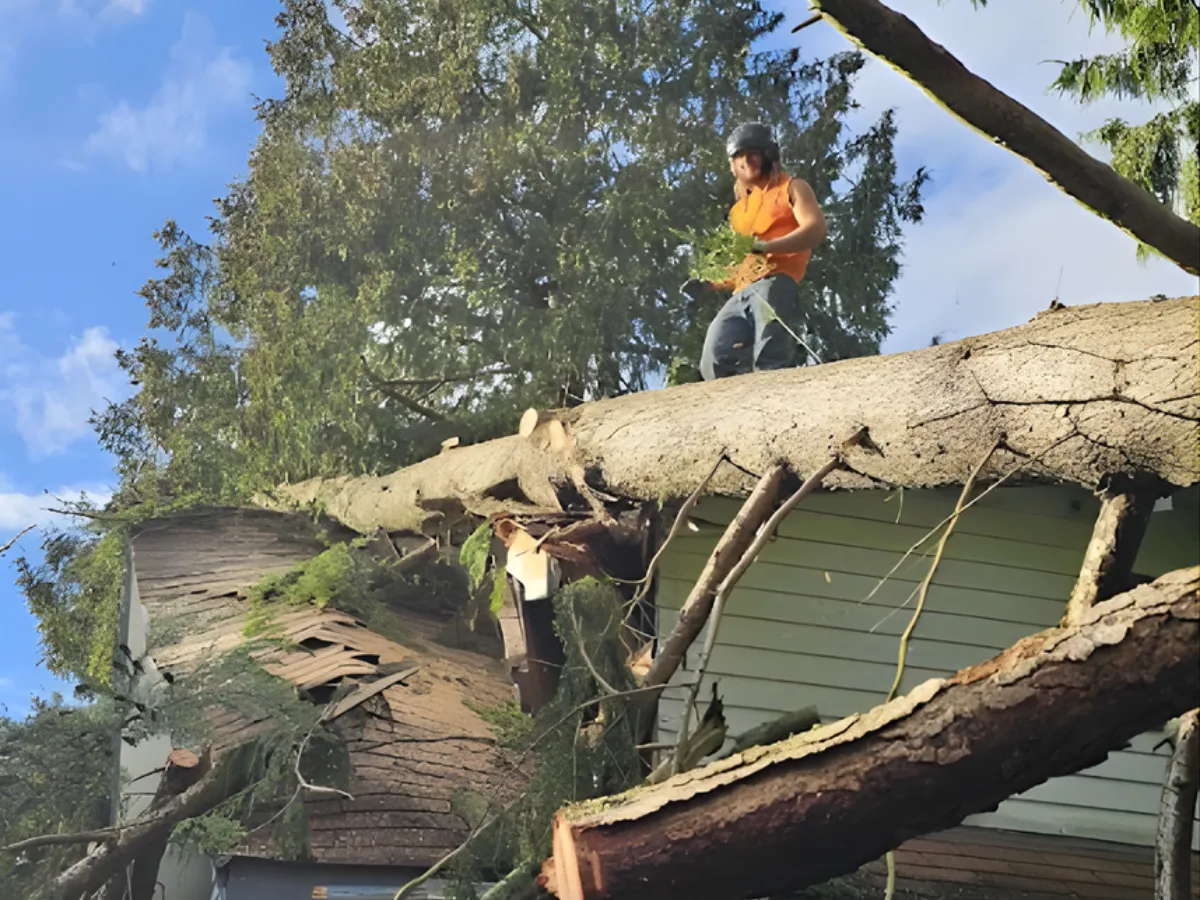
Expert Guide to Tree Trimming and Tree Removal Seattle
If you're searching for Tree Trimming and Tree Removal Seattle, you're likely weighing your options between a DIY project and hiring a professional. Hiring experts for Tree Trimming and Removal Service Seattle ensures safer, cleaner, and more efficient results that protect both your landscape and your property’s long-term value.
Professional tree care not only enhances your yard’s appearance but also prevents hazards, promotes tree health, and supports a thriving outdoor environment. In Seattle's rainy climate, where windstorms are common, unmaintained trees can lead to costly damage.
In the long run, choosing the right service helps you avoid hidden costs, safety risks, and unnecessary challenges like regrowth or structural failures.
Key Takeaways
The true cost includes hidden factors like tree size, accessibility, and cleanup.
Professional Tree Trimming & Removal Seattle prevents damage to property and utilities.
Post-service care is critical for maintaining a healthy landscape.
Different tree species in Seattle present unique trimming and removal challenges.
Proper tree care aligns with local guidelines and protects your investment.
The Hidden Costs of DIY Tree Care
Many Seattle homeowners consider DIY trimming or removal to save money, but this often leads to unexpected expenses and risks. Renting equipment like chainsaws or chippers can cost $200–500 per day, plus disposal fees at local dumps that add up quickly for large loads.
Without proper training, you risk personal injury or harm to the tree’s health, potentially facing medical bills or fines for improper cuts that weaken the tree further.
A professional Tree Trimming and Removal Service Seattle provides a clear, upfront cost that covers insurance, proper disposal, and expert handling of complex situations—like trees near power lines or structures.
They also account for Seattle's steep slopes and narrow lots, where DIY errors could trigger erosion or neighbor disputes. The real value lies in safety, efficiency, and guaranteed results, making professional care the most economical choice long-term, often saving 20-30% over cleanup from mistakes.

What Happens to Your Landscape After Tree Work
Tree trimming or removal is just the first step. Afterward, your landscape needs proper care to thrive. Trimming debris should be cleared responsibly, and removal sites often require stump grinding, soil amendment, or replanting plans to restore balance. In Seattle's clay-heavy soils, neglecting this can lead to compaction or poor drainage.
Experts recommend evaluating soil health, ensuring proper drainage, and choosing suitable plants for any new installations. Following EPA erosion-control guidelines, proper grading and stabilization help prevent issues like soil erosion or water pooling, keeping your Seattle yard beautiful and functional.
For instance, adding organic matter post-removal improves nutrient retention, while mulching trimmed areas suppresses weeds and retains moisture during dry summers.
Seattle's Common Trees & Their Care Challenges
Not all trees are the same, and Seattle’s common species require specific approaches:
Conifers (Douglas Fir, Cedar): Often tall and dense, they need careful trimming to maintain structure and health, especially against winter winds that can snap overloaded branches.
Broadleaf Trees (Bigleaf Maple, Alder): These can grow quickly and require regular trimming to control size and prevent disease, like verticillium wilt common in wet conditions.
Diseased or Hazardous Trees: Removal may be necessary to protect your property and surrounding plants. The International Society of Arboriculture (ISA) advises professional assessment to manage risks, including learners near homes.
A local expert offering Tree Trimming & Removal Seattle will identify species-specific needs and tailor their approach for optimal results. They understand how Seattle's microclimates, drier eastside vs. wetter westside, affect growth patterns and pruning timing.
The Critical Role of Utility Locates & Site Safety
Safety is paramount in tree care. Before any work begins, a professional company will call 811 for public utility locates. However, private lines, like sprinkler systems, gas lines, or electrical wiring, also need attention, as Seattle's older neighborhoods often have undocumented features.
A reputable Tree Trimming and Removal Service Seattle will work with you to map out private utilities and identify potential hazards. Their trained team follows strict safety protocols to prevent accidents, protecting both your property and their crew.
This includes using spotters in tight urban spaces and rigging systems to control falls, reducing risks from falling debris or equipment tip-overs.
Why “Tree Health Assessment” is Your Most Important Step
Before trimming or removal, a thorough assessment is essential. Key considerations include:
For Tree Trimming: Understanding growth patterns, disease signs, and seasonal timing to promote health, best in late winter for Seattle conifers to minimize sap flow.
For Tree Removal: Evaluating root systems, stump removal, and future landscape plans, including impact on nearby foundations.
For Property Projects: Ensuring tree work aligns with plans for new construction, landscaping, or outdoor living spaces, like decks over root zones.
Always discuss your goals with your provider to ensure your Tree Trimming and Tree Removal Seattle is done precisely and thoughtfully. A good assessment might reveal hidden issues like decay, saving you from emergency calls later.

FAQs
1. How long does the process take?
Trimming can take a few hours to a full day, depending on the tree’s size and complexity. Removal is typically faster but includes cleanup and debris disposal. Most jobs are completed in one visit, weather permitting.
2. Can I replant after tree removal?
Yes, but soil preparation is key. Remove old roots and amend the soil for best results. Consult a professional for species recommendations and planting guidance suited to Seattle's USDA zones 8-9.
3. What about the environmental impact?
Professional tree care is eco-friendly. Responsible trimming enhances tree health, and wood debris is often recycled as mulch. It’s a sustainable choice for Seattle landscapes, reducing landfill waste.
4. Do I need a permit in Seattle?
Many tree removal projects require a permit, especially for protected species or in environmentally critical areas. A local professional will help you navigate Seattle’s regulations, including tree board reviews.
Conclusion
When it comes to maintaining or removing trees, Tree Trimming and Tree Removal Seattle by Tree Ninjas stands out for reliability and expertise. Their team provides top-notch Tree Trimming and Removal Service Seattle and Tree Trimming & Removal Seattle, ensuring your outdoor space is safe, healthy, and visually appealing.
Choosing professional help guarantees results that protect your landscape, enhance your property’s value, and make your yard truly beautiful
Contact Tree Ninjas today for a detailed, transparent assessment. Our certified team provides expert Tree Trimming and Removal Service Seattle that prioritizes your property’s long-term health and your peace of mind.
External Reference
