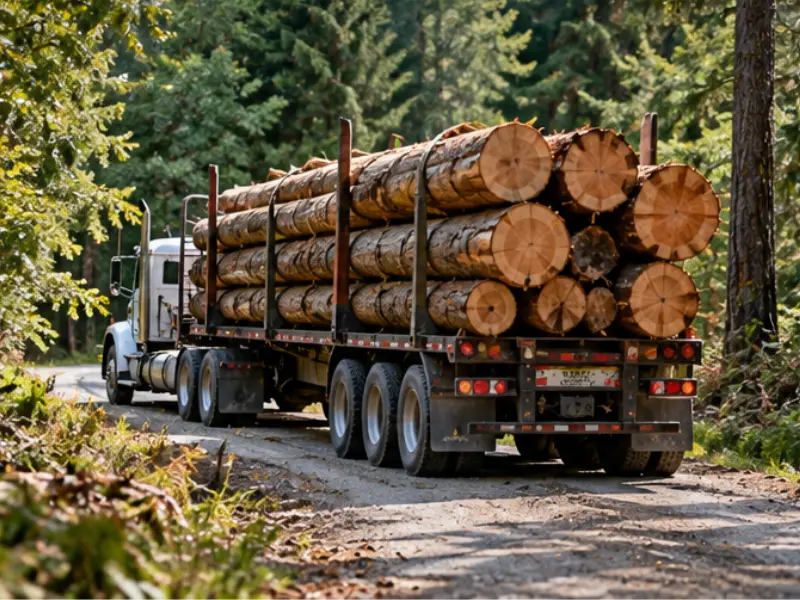
Who Does Logging on Acreage Near Redmond?
Logging on acreage near Redmond is done by a licensed, insured crew that plans the harvest, helps you work out which permits apply and removes the timber without wrecking your land. Tree Ninjas does selective timber harvesting for landowners around Redmond and Duvall, with a free estimate and a written plan before any saw starts.
By Daniel Montgomery, Co-Founder & Lead Arborist · Last updated October 15, 2026
Who harvests timber on acreage near Redmond?
Tree Ninjas does work out of Duvall, along with some contract loggers and consulting foresters. Who cuts trees down on plots of land near Redmond, and which one is right for your land? It depends on how much timber you have, so begin with what you want after that. Searching for selective timber harvesting Redmond? Our logging service covers three kinds of jobs:
Selective logging, which thins overcrowded stands and gives the best trees room
Storm-damaged tree logging, for trees a windstorm left leaning or down
Timber harvesting for landowners, with transparent reporting on timber yield
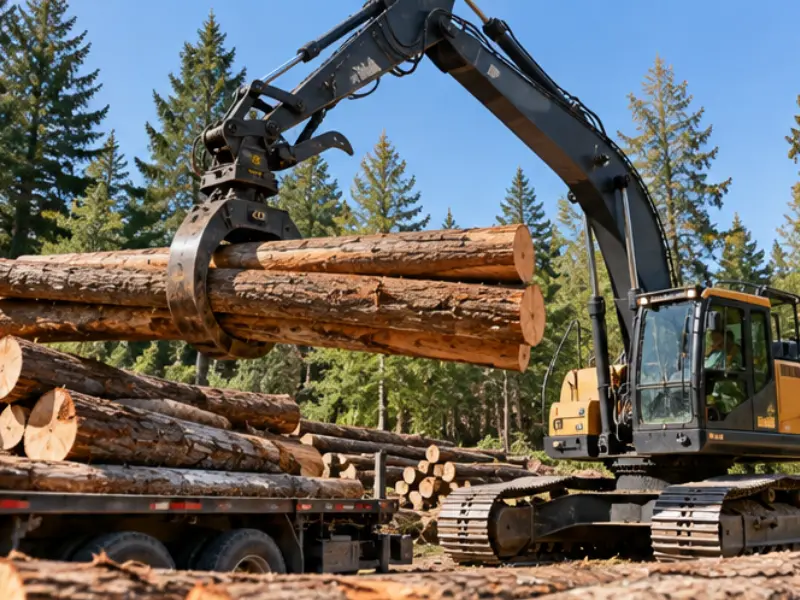
Here's how a job runs. First, we walk the property and assess the situation. Taking into account such details as slope, soil, tree health and access, we then draw up a detailed plan to protect the crew, nearby buildings and the ground. The trees are then cut, using cranes and specialized rigging equipment when the job requires, and debris and logs are hauled away. When it comes to acreage tree harvesting Redmond landowners ask about, the order in which the work is done is important, as it has a direct influence on the damage incurred at the worksite.
Help us plan by gathering a few things before the walk. A parcel map or boundary survey helps, and so does knowing where streams, wetlands and easements sit. Also tell us about gates and access roads. A clear picture of the lot saves everyone a second site visit, so it's worth the ten minutes.
How many acres make a timber harvest worthwhile?
There's no general rule of thumb, since volume, tree size, and log prices are more important factors than acres. You can't make a profit on ten acres of small trees, but two acres of big Douglas fir could be a good investment. The Washington DNR has a guideline of how much wood is enough wood; their rule of thumb is that you should plan on cutting about 5,000 board feet or so of lumber, which is roughly speaking the amount that would come from one truckload of logs. Keep in mind that this is the amount that would be considered to be a good haul for an average worker.
A few things move the answer:
Tree size and species. Big, straight conifers carry the value.
Volume per acre. Dense mature stands beat scattered trees.
Access. Steep slopes, wet ground and narrow roads raise the cost.
Log prices, which swing with the market
Thinning can pay off in a second way. DNR notes that reducing overcrowding reduces competition for light, water and nutrients, which leaves the forest more able to handle threats such as fire. So a selective harvest can help both the forest and your wallet. But don't guess. We'll estimate the timber on your land and tell you frankly if the logs won't make it worth your while. DNR also offers free planning advice to small landowners, so a second opinion is free of charge.
What happens to the land after trees are harvested?
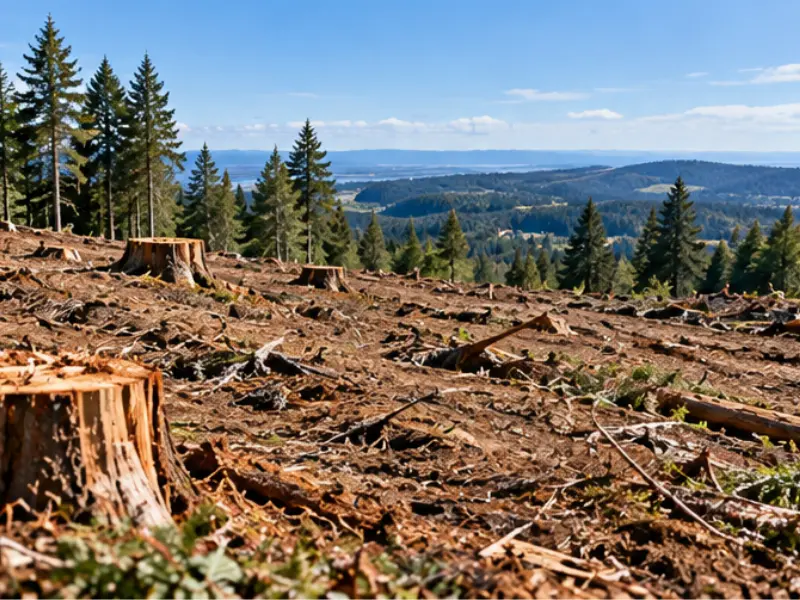
The ground is cleared and remediated, regrown, replanted or prepared for the next use. Logs and debris are removed, the ground is protected and left for the next use. Stumps are typically left alone, unless you need a clearing job, and slash can be removed if desired instead of being burned. Burning slash requires permits, which DNR allows on an incidental basis, but otherwise requires a permit from DNR. Timber removal from large lots slated for Redmond development is not the end of the story, as harvests approved by DNR trigger a development stopwatch in King County.
King County says lands harvested under a DNR-approved forest practice are automatically subject to a 6-year development moratorium. For six years, the County won't accept permit applications for development that isn't tied to long-term forest management. That matters because you might build later. Replanting is your call, too. Many landowners let natural regrowth fill in, while others plant seedlings, and DNR's Webster Forest Nursery sells seedlings to small forest landowners. The County also offers a voluntary Conversion Option Harvest Plan for owners who haven't decided yet, so ask before you cut.
Which contractor near me handles large scale tree removal?
One that sizes the job honestly. Which contractor near me handles large scale tree removal? Tree Ninjas handles residential and small-scale commercial logging and land clearing, including wooded acreage and large lots, so most private parcels are well within range. Very large industrial harvests are a different business, so we'd rather tell you that than overpromise.
Ask any logger these questions before you sign:
Are you licensed, bonded and insured, and can I see proof?
What's the written plan, including access, equipment and protected areas?
Who handles the permits, and how do you help me figure them out?
What condition will the land be in when you leave?
How will you report the timber yield, so I can see what the logs were worth?
It also helps to ask whether the crew will work alongside a forester. DNR service foresters can give small landowners advice at no cost, and Washington State University keeps a directory of consulting foresters, so you can compare plans before you commit.
Who clears treed acreage in Redmond?
We do, with logging and land clearing under one roof. Who clears treed acreage in Redmond? Tree Ninjas, from rural lots toward Duvall to wooded properties on the plateaus around Redmond. However, clearing differs from a harvest, and the table shows how:
Logging (harvest) | Land clearing | |
Goal | Thin a stand, recover storm damage or earn from the logs | Prepare ground for building, farming or landscaping |
What comes out | Selected trees | Trees, brush and often stumps |
Land afterward | Still growing trees | Graded and ready for its next use |
Permit path | Usually a state forest practices permit | Often adds county conversion and clearing permits |
Our land clearing page explains how that second job works.
So tell us your goal when you call. If you want income from timber, we plan a harvest. If you want a build site, we plan a clearing. Mixing the two goals without a plan is how landowners end up with a mess and a surprise permit.
Where does Tree Ninjas harvest timber around Redmond?
We serve Redmond and its rural edges, including Ames Lake, plus Duvall, Carnation, Fall City and Sammamish. When you call, tell us the parcel size, the main tree types, how we'd get equipment in and what you want from the land. Photos help, too. Our Redmond page lists what we do in the area. When you're ready, request a free estimate or call (206) 736-3757.
Frequently Asked Questions
1. What is the difference between logging and land clearing?
Logging typically involves removing trees, one at a time, for the purpose of obtaining income, thinning out a forest, or for removal of storm damage. Land clearing generally includes cutting down all the trees and brush and sometimes stumps, in order to prepare the land for some other use. Logging is done to remove trees, leaving the land available for tree growth; whereas, land clearing is done to change the use of the land. We do both types of work, the permits are different for each, so please let us know which you need.
2. Is our acreage large enough for a timber harvest to be worthwhile?
Often yes, but the trees matter more than the acres, so it's worth a look. A stand of mature conifers can be worth harvesting on a small parcel, while a larger lot of young or scattered trees may not be. We estimate the timber volume during the free site visit and tell you honestly. If the logs won't pay for the work, we'll say so.
3. Do you buy the timber, or charge for the work?
It depends on the value of the timber. We disclose the yield of timber honestly, and we will also inform you in writing that the logs offset the work or that you are paying for a service. Obtain the answer before the start of the job, from any logger, to avoid any arguments after it is done.
4. What condition is the land left in afterwards?
Clean. We're talking logs and debris removed, leaving the soil and surrounding vegetation intact and ready to move on to the next phase. We leave you with a clean site that won't be a mess. For a clearing job, that usually means it's graded and ready to build on (stumps still in place unless you ask for stump grinding). Following a harvest, it is prepared to regenerate on its own or to be replanted. Tell us your plans, and we'll see to it that it's done to your specifications.
5. What approvals are needed before harvesting on acreage?
Usually a Forest Practices Application from the Washington Department of Natural Resources, because it's required whenever trees are harvested commercially. If the land will be developed, the County may need to approve a conversion permit and a clearing and grading permit as well. Streams, wetlands and steep slopes add protected buffers. We can help you understand which permits apply, so you're not guessing, and a pre-application meeting with the County is often required.
Contact Us
Tree Ninjas 31524 NE Cherry Valley Rd Duvall, WA 98019 Phone: (206) 736-3757 Hours: Monday to Friday, 8:00 AM to 5:00 PM, with 24/7 emergency service WA Licensed · TREENNL752Q1. Serving Redmond, Duvall, Carnation, Fall City, Sammamish and the Greater Seattle area.
