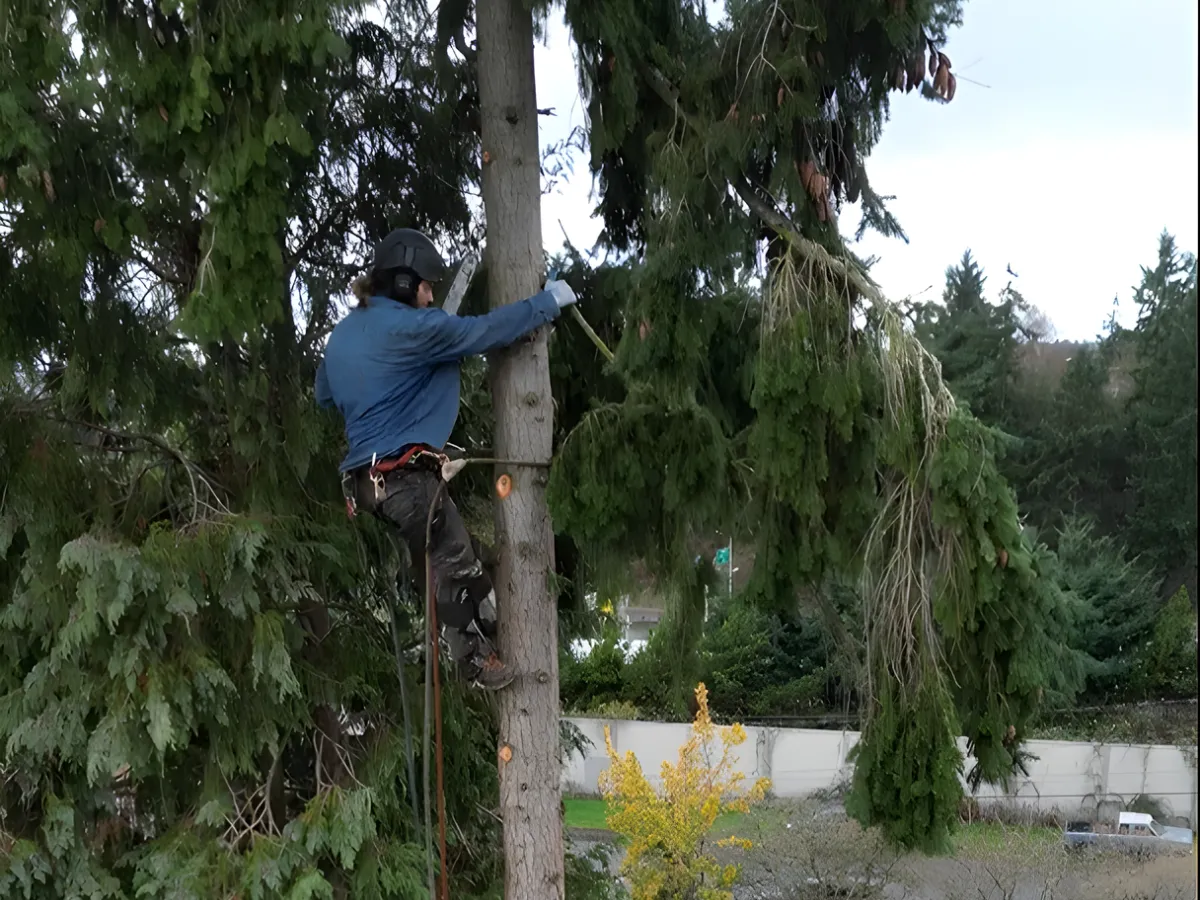
Tree Pruning vs Tree Trimming: Key Differences Explained
Tree pruning and tree trimming are two different tree care practices with distinct purposes. Tree trimming focuses on controlling size, shape, and safety by removing overgrown branches, while tree pruning involves selective branch removal to improve tree health, structure, and long-term growth. Choosing the correct method helps prevent damage and supports tree stability.
Although the terms are often used interchangeably, pruning and trimming address different tree conditions. Using the wrong approach can weaken trees, increase safety risks, or lead to long-term health issues.
Key Takeaways
Tree trimming manages size, clearance, and appearance
Tree pruning improves health, structure, and longevity
Trimming is routine maintenance; pruning is selective and strategic
Using the correct method protects trees and property
Tree Pruning vs Trimming: A Quick Comparison
Tree trimming manages size, shape, and safety
Tree pruning improves health, structure, and growth
Trimming is often routine maintenance
Pruning is more strategic and selective
Both services support long-term tree stability
This distinction is important when deciding which service your trees actually need.
What Is Tree Trimming?
Tree trimming involves removing overgrown, low-hanging, or excess branches to maintain clearance, safety, and appearance. It is commonly used to prevent branches from interfering with structures, walkways, or power lines.
Tree trimming is typically used to:
Reduce branch overgrowth
Improve visibility and clearance
Prevent damage to roofs and property
Manage tree shape and size
In practice, tree trimming is often scheduled regularly to control growth and reduce hazards caused by heavy or unbalanced limbs. Safety organizations note that unmanaged tree growth near structures significantly increases storm-related damage risk.
What Is Tree Pruning?
Tree pruning focuses on removing specific branches that affect the tree’s health, structure, or development. This process targets dead, diseased, weak, or crossing branches that limit airflow and sunlight.
Tree pruning is commonly used to:
Remove dead or diseased limbs
Improve tree structure and strength
Encourage healthy growth patterns
Reduce the spread of disease
Unlike trimming, pruning is typically more precise and based on how a tree grows over time. Arboriculture standards emphasize selective pruning to protect long-term tree health and stability.

Tree Pruning vs Tree Trimming: Key Differences
Here’s a quick comparison to keep the differences clear:
Purpose:
Trimming is mainly for shape and appearance, while pruning focuses on health, safety, and structural integrity.Frequency:
Trimming is done regularly for neatness, often 1–2 times per year. Pruning is done less often, usually once a year or when specific issues arise.Timing:
Trimming is typically performed during the growing season (spring or summer). Pruning is best done during the dormant season (late winter or early spring) to reduce stress on the tree.Tools:
Trimming uses lighter tools such as hand shears, hedge trimmers, or small pruners. Pruning requires sturdier tools like lopping shears, pruning saws, or pole pruners for thicker branches.Typical Targets:
Trimming is common for shrubs, hedges, and ornamental trees to keep them tidy. Pruning targets mature trees, fruit trees, and branches that are dead, diseased, crossing, or structurally weak.
Use this guide to decide: If you’re removing branches mainly to shape the tree or thin the canopy, you’re trimming. If you’re cutting to remove problem branches that affect health or stability, you’re pruning.
When Tree Trimming Is the Right Choice
Tree trimming is usually recommended when branches:
Hang over roofs, driveways, or walkways
Grow into power lines
Obstruct visibility
Become unbalanced or too heavy
In many cases, homeowners search for tree trimming services after storms or when branches begin posing safety concerns. Trimming reduces the likelihood of falling limbs and property damage.
When Tree Pruning Is the Better Option
Tree pruning is the better solution when a tree shows signs of internal or structural issues.
Pruning is often necessary when:
Branches are dead, cracked, or diseased
Limbs cross or rub against each other
Canopy density restricts airflow
Tree growth becomes uneven or weak
Professional tree pruning improves resilience by removing weak or diseased branches that would otherwise strain the tree during storms or seasonal growth.
Why the Difference Between Tree Pruning and Trimming Matters
Confusing tree pruning vs trimming can lead to improper care. Over-trimming may weaken trees, while improper pruning can disrupt growth and increase disease risk.
In practice, many tree issues arise when trees are cut without understanding:
Growth patterns
Branch weight distribution
Species-specific needs
Applying the correct technique at the right time preserves tree health and prevents unnecessary damage.
Can Trees Need Both Pruning and Trimming?
Yes. Many trees benefit from both services at different stages.
For example:
Trimming may address overgrowth near structures
Pruning may follow to correct internal structural issues
A balanced approach ensures safety while supporting long-term health.
How Professionals Decide Between Tree Pruning and Trimming
Professionals assess:
Tree species and age
Branch condition and distribution
Proximity to structures and utilities
Signs of disease or decay
This evaluation determines whether tree pruning, tree trimming, or a combination of both is appropriate.
Common Risks of DIY Tree Cutting
Without proper training, distinguishing between pruning and trimming becomes difficult.
DIY cutting often leads to:
Over-cutting healthy branches
Improper cuts that invite disease
Structural imbalance
Increased safety risks
Professional assessment helps avoid these outcomes.

Read also: How Local Tree Trimming Services Protect Your Property
Frequently Asked Questions
1. Is tree pruning the same as tree trimming?
No. Tree pruning focuses on improving tree health and structure, while tree trimming manages size, shape, and safety.
2. Which is better for overgrown trees?
Overgrown trees usually require trimming to reduce excess growth, followed by pruning if structural issues are present.
3. Can improper trimming harm a tree?
Yes. Excessive or incorrect trimming can weaken branches, disrupt growth, and increase disease risk.
4. How often should trees be pruned or trimmed?
Most trees benefit from trimming every one to three years, while pruning frequency depends on tree health and species.
5. Do all trees need both services?
Not always. Some trees only require trimming, while others need pruning based on health conditions.
Final Thoughts
In simple terms, tree trimming manages growth and safety, while tree pruning focuses on tree health and structure. Understanding the difference between tree pruning vs trimming helps homeowners make informed decisions about tree care. While trimming manages growth and safety, pruning strengthens structure and promotes long-term health.
Using the correct approach at the right time reduces risks, protects property, and ensures trees remain healthy for years to come.
Need Professional Tree Care Guidance?
If you’re unsure whether your trees require pruning, trimming, or both, Tree Ninjas provides professional assessments to identify the safest and most effective solution. Proper evaluation helps prevent damage while supporting long-term tree health.
