When Should A Tree Service Visit Your Duvall Property?
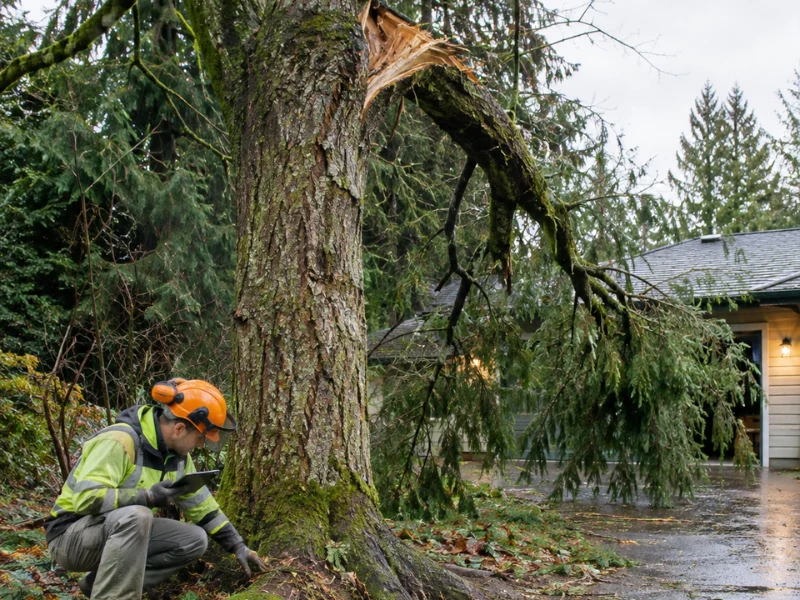
A tree service should visit a Duvall property about every one to three years for routine care, plus right after any storm that leaves cracked limbs, leaning trunks or lifted roots. Tree Ninjas sets that schedule by tree type and by what each tree could hit, from our base on Cherry Valley Road.
By Daniel Montgomery, Co-Founder, Tree Ninjas · Last updated November 11, 2026
How often do trees on a Duvall property need attention?
Most trees around Duvall need a professional look every one to three years, depending on species, age and how close they stand to the house. If you've wondered how often do trees on a property need attention, the answer changes from tree to tree.
Here's a practical starting point:
Tree type | Typical care interval | What usually needs doing |
Young trees (under about 10 years) | Every 1 to 2 years | Structural pruning to set good branch spacing |
Mature Douglas fir and cedar | Every 3 to 5 years | Deadwood removal, clearance from roofs and lines |
Bigleaf maple | Every 2 to 3 years | Weight reduction on long, heavy limbs |
Red alder and cottonwood | Every 1 to 2 years | Checks for decay, since both are short-lived |
Fruit trees | Every year | Pruning for shape, light and fruit |
Hedges and screens | 1 to 2 times a year | Shaping and height control |
Location matters as much as species. A big fir 150 feet from the house can go years without work. However, the same tree beside a roof or driveway deserves a closer look more often. Our tree trimming service covers most routine visits. Keeping a simple record of when each tree was last worked on also makes the next visit faster.
Which local trees cause the most trouble around Duvall?
Douglas fir, bigleaf maple, red alder and cottonwood account for most of the problem trees we see in the Snoqualmie Valley. Each one fails in its own way, so knowing your species helps you know what to watch.
The usual patterns look like this:
Douglas fir: generally strong, but vulnerable to root disease that weakens anchoring without much visible sign above ground
Bigleaf maple: grows long, heavy limbs that can drop in summer or snap under wet snow
Red alder: fast-growing and short-lived, so heart rot often sets in once trees reach middle age
Cottonwood: common near the river and wet ground, with brittle wood that sheds big limbs in wind
Western red cedar: usually durable, though drought stress in hot summers can thin crowns and cause top dieback
Root disease deserves special mention. A U.S. Forest Service study of a western Washington Douglas-fir plantation looked at laminated root rot. It found that losses were strongly tied to how many infected stumps were left from the previous stand. In other words, old stumps can keep a problem going long after the original trees are gone. That's one reason we look closely at clusters of stumps and fallen trees on wooded lots.
When is the best time of year for tree work around Duvall?
Late fall through winter is the best window for most pruning around Duvall, while removals can happen any time a tree is unsafe. Each season brings its own trade-offs.
Here's how the year usually breaks down:
Late fall and winter: deciduous trees are bare, so structure is easy to see, and pests are less active
Early spring: fine for many conifers, though bigleaf maples tend to bleed sap if cut as they leaf out
Spring into summer: nesting season, so we check for active nests before cutting
Late summer: dry ground is best for heavy equipment, but stressed trees shouldn't be pruned hard
Ground conditions matter a lot in the valley. Soggy winter soil can rut badly under trucks and chippers. So big jobs on soft lots are often timed for dry spells. As a result, scheduling a removal a few weeks ahead usually means less lawn repair afterward.
How do Duvall's replacement rules shape long-term tree care?
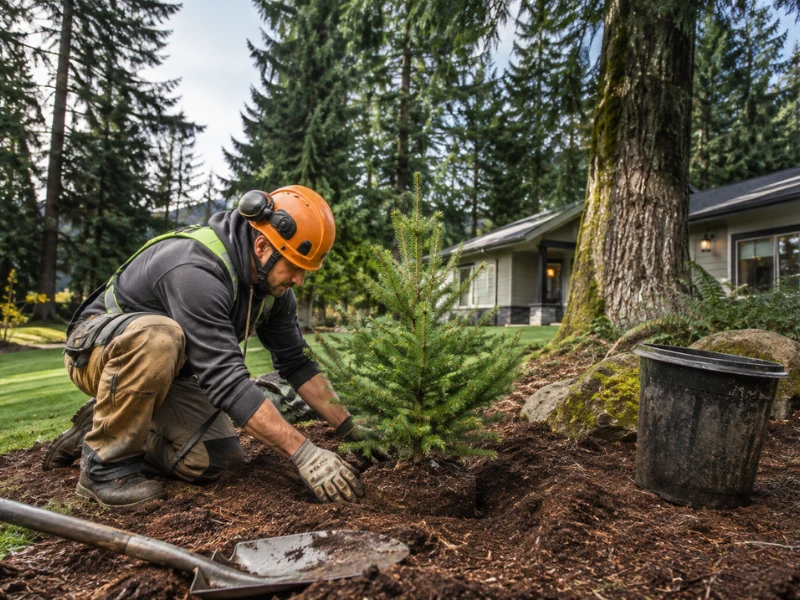
Duvall's tree code expects replacement planting after most removals, so planning what to keep and what to replant is part of caring for a property. Thinking ahead makes those decisions easier.
According to the City of Duvall's tree removal page, a permit is required before removing any significant tree, meaning most trees at least 10 inches in diameter at breast height, other than red alder and cottonwood. Owners of developed lots can generally apply to remove up to two viable significant trees per year. At least two must remain on site. Replacement ratios range from 1:1 to 1:3. New conifers must be at least 6 feet tall, and deciduous trees need a 2-inch caliper.
In practice, that encourages a long-term plan:
Keep healthy, well-placed trees and maintain them, since they count toward what must remain
Phase removals over more than one year when several trees need to go
Choose replacement spots with room for mature size, away from foundations and lines
Water new trees through their first few dry summers so replacements actually survive
There's no application fee for this permit, and the city advises not to schedule removal until it approves the request. We can help with the paperwork as part of the job.
How do you keep trees healthy between visits?
Healthy trees mostly come down to protecting the roots and soil between professional visits. Most damage we see on residential lots starts at ground level, not in the canopy.
A few simple habits make a big difference:
Mulch in a wide ring under the canopy, keeping it a few inches away from the trunk
Don't pile soil or gravel over roots, which can suffocate them
Keep vehicles and equipment off the root zone, especially on wet ground
Water young trees deeply during dry stretches in July and August
Protect roots during construction, since trenching and grading cause hidden damage
Also, take a quick walk around your trees after every big windstorm. Fresh cracks, hanging branches or soil lifting on one side are worth a call. For help with stumps left from past removals, see our stump grinding service.
Where do we provide tree services near Duvall and Monroe?
We work across the Snoqualmie Valley and southern Snohomish County. If you're looking for tree services near Duvall and Monroe WA, our crews regularly cover:
Duvall, Cherry Valley and the Novelty Hill area
Monroe, Sultan and Snohomish
Carnation, Redmond and nearby rural King County
For tree services in Duvall WA, we're just minutes away, which makes follow-up visits and storm calls easy to schedule. On larger properties, our land clearing guide explains how clearing work fits in alongside regular tree care.
Above all, a good tree service plan matches each tree's needs to its risk and location. Regular, well-timed visits cost less than emergency calls, and they keep the trees you love standing longer.
Frequently asked questions
1. Trim it, prune it, or take it down - how do you decide?
We decide by the tree's health, structure and what it could hit, so a sound tree with a few problem limbs gets trimmed or pruned, while one with serious decay, a cracked trunk or failing roots near a house usually comes down. Which service a tree needs depends on that assessment, and anyone asking how do you know if a tree should be removed or trimmed should know trimming against removal is weighed limb by limb, not guessed from the ground.
2. What does a tree company actually cover?
A tree company like ours covers pruning, trimming, removal, stump grinding, hedge work and storm cleanup, plus logging and land clearing on larger properties. Anyone asking what does a tree service actually do can expect all of that from Tree Ninjas, along with honest advice on which trees to keep.
3. On a wooded acre, where do you even start?
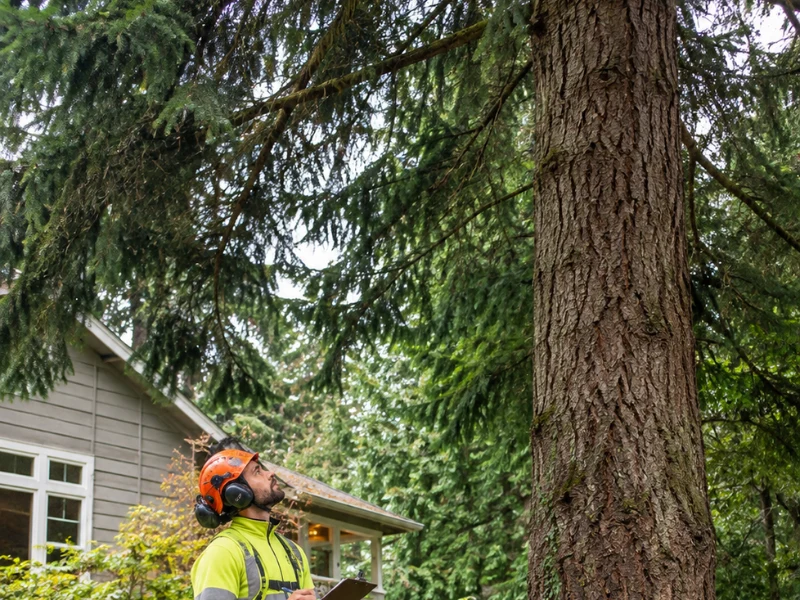
Start with the trees closest to the house, driveway, power lines and outbuildings, since those carry the most risk if they fail. Assessing a tree on a property this size works best as a guided walk-through, which is why owners wondering who handles trees across an acreage property near Duvall Washington usually begin with one site visit and a prioritized list.
4. Can one company handle the trees, the stumps and the clearing?
Yes, Tree Ninjas handles tree removal, stump grinding, logging and land clearing in-house, so one crew can take a property from standing timber to a cleared, usable site. Working with one company also means one schedule, one point of contact and no gaps between the felling and the cleanup.
5. What does a visit to look at a property cost?
Our estimate visits are free, and we walk the property with you, look at each tree of concern and follow up with a written quote. If you need a formal tree risk assessment report for a permit, that report is a separate service priced on its own.
Visit or Call Us
Tree Ninjas
Address: 31524 NE Cherry Valley Rd, Duvall, WA
Phone: (206) 736-3757
Email: [email protected]
Hours: M - F: 8am - 5pm Locally owned, licensed, bonded and insured tree service (WA License TREENNL752Q1) Serving Duvall, Monroe, Carnation, Redmond, Snohomish and Sultan.
Call for a free estimate, or use our contact page to book a visit.
