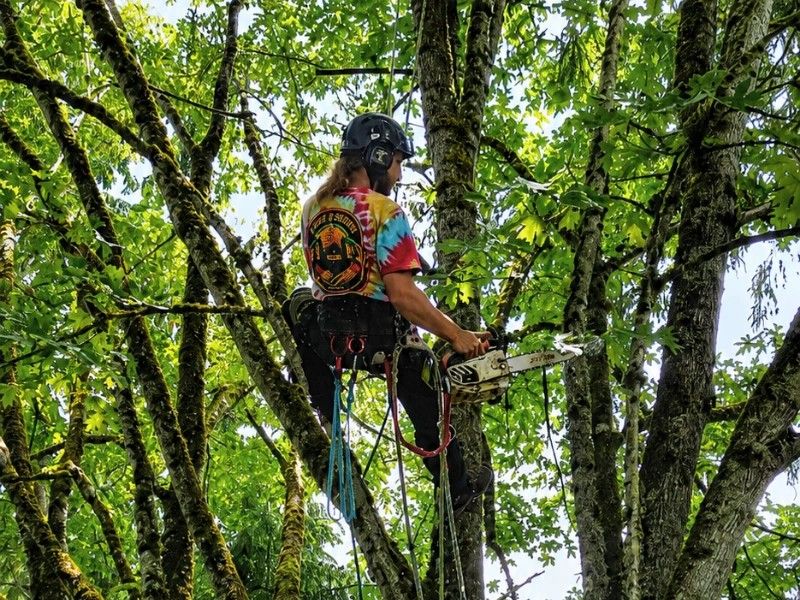
How Much Does Tree Trimming Cost in the Duvall Area?
Tree trimming near Duvall, WA and throughout the Snoqualmie Valley typically costs $150 to $900 per tree for most residential work, with large conifers and overgrown trees running higher. Cost depends on tree size, species, canopy condition, and access. Tree Ninjas provides tree trimming and pruning throughout the Snoqualmie Valley and upper King County.
By Daniel Montgomery, Co-Founder, Tree Ninjas · Last updated September 2026
Key Takeaways
|
Tree Ninjas is based on Cherry Valley Road in Duvall — in the middle of the Snoqualmie Valley corridor where Douglas fir, Western red cedar, and big-leaf maple grow faster and reach larger sizes than in most King County communities. Regular trimming in this environment is not a luxury; it is the difference between a manageable tree and a crane job.
Tree trimming cost breakdown for the Duvall area:
|
For city-specific cost detail, see our guides for Duvall, Monroe, and Snohomish.
Do You Offer Free Tree Trimming Estimates?
Yes — and we do them in person rather than over the phone. We don’t quote trimming scope reliably remotely. The difference between a $300 maintenance trim and a $900 structural trimming session depends on tree height, canopy condition, access, and how the tree has grown since its last service — all of which require seeing the property. Estimate visits are typically available within two to four business days, and we walk the property with you before any work is priced.
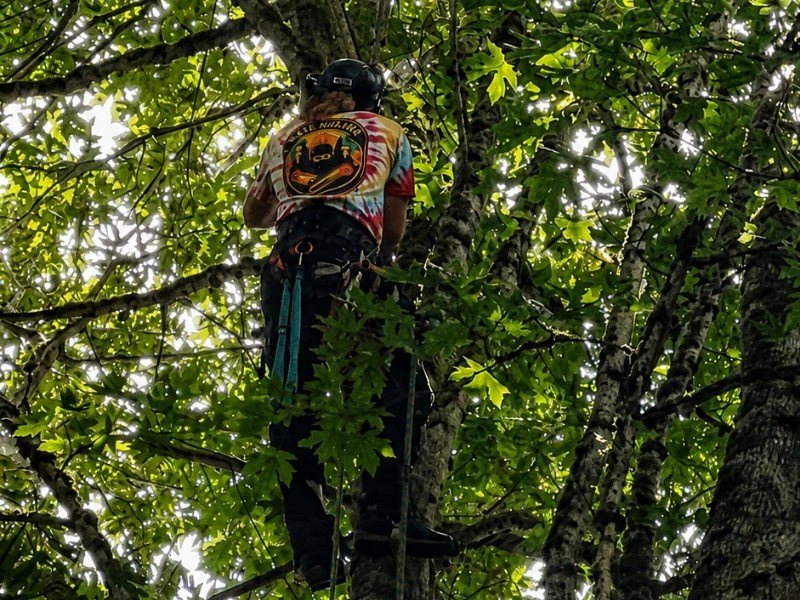
What’s the Difference Between Trimming and Pruning?
Tree trimming focuses on size, shape, and clearance — managing a tree’s footprint within its space, clearing limbs from rooflines, fences, and utility corridors. Trimming typically addresses the outer canopy and can be done by experienced crews for routine maintenance.
Tree pruning removes specific branches for health, structure, or safety using cuts guided by ISA standards and ANSI A300. Pruning has a biological purpose: removing a dead branch before it fails, addressing a codominant stem developing included bark, thinning interior canopy to improve airflow. Structural decisions benefit from a certified arborist’s assessment.
Most Snoqualmie Valley residential tree visits involve both. The distinction matters most when deciding who to call: a general landscape crew for routine shaping, or a certified arborist for anything involving structural risk or hazard assessment.
For a deeper look at pruning types and improper pruning risks, see our tree pruning guide for Monroe and pruning guide for Snohomish.
When Is the Best Time to Trim Trees in the Pacific Northwest?
Late winter — January through early March — is the best trimming window for most trees in the Snoqualmie Valley. Dormant structure is fully visible, wounds compartmentalize quickly with spring bud break, and pathogen activity is at its annual minimum in the cooler, drier period before spring rains return.
Quick timing reference:
Douglas fir and Western red cedar: year-round acceptable; late winter preferred for larger structural work
Big-leaf maple and red alder: late winter; sap bleeding from late-February cuts is normal and not harmful
Ornamental cherry, plum, apple: dry summer only — July to August; wet-season cuts risk bacterial canker in the Snoqualmie Valley’s moist climate
Fall (October to November): avoid for most species; wound compartmentalization slows and wet fall conditions maximize pathogen pressure
September and October are also a valuable window for pre-storm crown thinning before the November-through-March Cascade gap wind season. Trees thinned in September enter winter with lower wind load and reduced structural failure risk.
For the complete month-by-month guide, see our seasonal tree pruning guide for Monroe.
Do You Offer Regular or Seasonal Tree Maintenance?
Yes — and the math on it is straightforward. A tree seen every year needs less corrective work per visit than one that gets attention every five. You’re addressing the current season’s growth instead of years of accumulation, the cost stays predictable, and the structural problems that develop slowly — a codominant stem beginning to split, a crown pushing toward the roofline — get caught while they’re still minor corrections rather than crane jobs.
For most Snoqualmie Valley properties, a workable rhythm looks like this: a spring check in March or April after the winter storm season to clear any damage and flag anything developing; a September visit for crown thinning before the November gap wind season and to assess any hazards before winter storms arrive; and an annual maintenance trim covering dead-branch removal, light size management, and a general structural look. Three visits, sometimes two.
For younger trees — roughly the first ten to fifteen years — the investment that pays the most is formative pruning every two to three years to establish sound scaffold structure before problems develop. For detail on what that involves, see our structural pruning guide for Monroe and young tree training guide for Monroe.
We can put together a simple maintenance calendar for your property during an estimate visit — which trees need what, at what frequency, and in what window. No separate charge for that.
Finding a Good Tree Trimming Service Near You
A few questions will tell you most of what you need to know.
Asking about ANSI A300 pruning standards is a useful first filter. A crew that knows what it is has enough industry engagement to be trustworthy on structural decisions. One that doesn’t — or dismisses it — is probably making cuts based on habit. Same logic applies to ISA certification: ask specifically whether they have ISA Certified Arborists on staff, not just whether they have arborists. Routine trimming doesn’t always require one, but structural work and hazard assessment do, and those two things tend to come up together on valley properties.
The topping question is the most revealing. Ask what they’d do about a tree that’s gotten too large. If the answer involves cutting branches mid-shaft, that’s not consistent with ISA standards, and the consequences are visible for years: stub decay, weak watersprout growth, progressively worse structure. Proper crown reduction uses lateral cuts that leave a branch to take over the terminal role — it achieves the same size reduction without those downstream problems.
A written scope before any work starts isn’t a bureaucratic formality. It tells you what you’re actually getting and tells them what they’re committed to. Anyone who hesitates to put it in writing before touching your trees is a signal worth paying attention to.
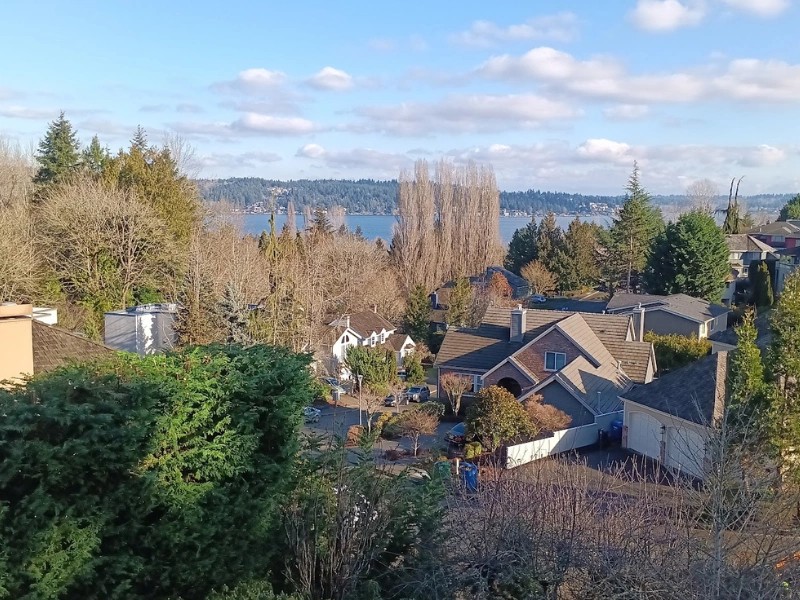
Tree Trimming Near Duvall: Where We Work
Tree Ninjas provides tree trimming and pruning throughout the Snoqualmie Valley and upper King County. Our crews regularly serve Duvall, Carnation, Cottage Lake, Redmond, Monroe, and Snohomish.
For the full service area, see our Washington locations page.
Tree Ninjas provides free on-site estimates for tree trimming throughout the Snoqualmie Valley and King and Snohomish Counties.
Phone: (206) 601-9390 | treeninjaspnw.com/contact-us
Contact Tree Ninjas
Tree Ninjas
31524 NE Cherry Valley Rd
Duvall, WA 98019
Phone: (206) 601-9390
Hours: Available 24/7 for emergency service; office hours Monday through Friday, 8am to 5pm
Serving Duvall, Carnation, Cottage Lake, Redmond, Monroe, Snohomish, and surrounding King County and Snohomish County communities.
