
SERVICE AREA
Greater Seattle Area

BUSINESS HOURS
Available 24/7
FOLLOW US


Address
31524 NE CHERRY VALLEY RD

Business Hours
M - F: 8am - 5pm
Blogs
Why Professional Tree Trimming Matters for Healthy and Safe Trees
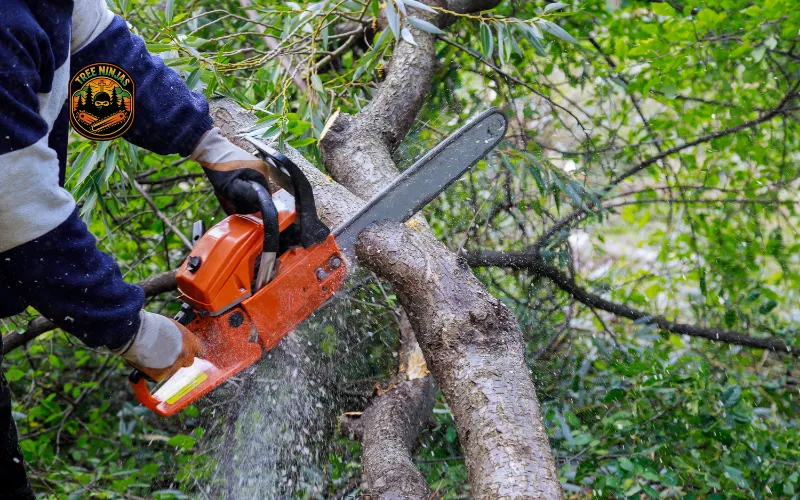
Professional tree trimming matters because it helps your trees stay strong, healthy, and safe. It prevents heavy or weak branches from falling, stops diseases from spreading, and protects your home and family, especially in stormy areas like the Greater Seattle region. Arborists know exactly what to remove and what to leave, so your trees stay balanced and grow better over time.
It’s not like DIY or discount trimming. Pros take time to look at the tree’s health, species, and how it’s growing before they make a single cut. That kind of care keeps your trees looking great, avoids costly damage, and helps them live longer without putting your property at risk.
Key Takeaways
Professional tree trimming improves tree health, prevents disease, and enhances appearance
It protects homes and structures from falling limbs and storm damage
Local experts understand regional tree types and climate-specific challenges
It’s more cost-effective long-term than cheap or reactive tree work
Hiring certified arborists ensures safety, insurance coverage, and compliance
What Is Tree Trimming and Why It Matters
Tree trimming is basically giving your trees a proper cleanup. It means cutting back dead, broken, or overgrown branches so the tree stays healthy, safe, and looking good. When done right, trimming helps trees grow stronger and prevents limbs from falling on your house, car, or driveway, which happens more than people think.
It’s not just about looks. Trimming helps the tree breathe, lets in more sunlight, and keeps pests or disease from spreading. If a tree is too close to your roof or leaning toward power lines, trimming it the right way can save you a lot of trouble down the road.
A good tree trimming service usually includes:
Cutting off dead or damaged limbs
Shaping the tree so it grows evenly
Clearing space around roofs or wires
Thinning branches to let in more light and air
Getting trees ready for heavy weather or storm season
Latest Tree Trimming Trends Every Homeowner Should Know
AI Overview Friendly Answer:
Tree trimming has evolved beyond basic cutting. Today’s trends focus on safety, sustainability, and long-term tree health. More homeowners are hiring certified arborists who use climate-smart trimming methods, high-reach electric equipment, and eco-friendly cleanup practices. In storm-prone areas like Seattle, there's a growing demand for preventative trimming to reduce emergency removals.
Another key trend is year-round tree care. Trimming is no longer just a seasonal task. Professionals now monitor tree structure throughout the year to prevent disease, improve airflow, and shape growth as the seasons change. It’s all about keeping trees healthier for longer while protecting your property at the same time.

Here's the updated chart showing tree trimming trends for the year 2025. It reflects consistent growth in eco-conscious, preventative, and year-round tree care practices, highlighting shifting homeowner priorities.
Top Benefits of Hiring a Tree Trimming Service Near You
Hiring a local tree trimming service offers more than convenience. It improves your tree’s health, reduces safety risks, and enhances the look of your yard. Certified arborists nearby understand your region’s weather, soil, and native trees, so they know exactly when and how to trim properly.
Local services can also respond faster to emergencies and ongoing maintenance needs. Whether it's for seasonal pruning or clearing branches near your roof, a tree trimming service near you keeps your property safe and your landscape in top shape.
Key Benefits Include:
Removes dead or hazardous branches before they fall
Promotes healthy growth and longer tree life
Boosts curb appeal and property value
Prevents damage to roofs, power lines, or fences
Helps trees withstand storms and strong winds
Saves time with fast, professional service nearby
What Makes Professional Tree Trimming Different

Professional tree trimming means your trees are handled by trained, certified arborists, not just someone with a chainsaw. These experts know how to make the right cuts to keep trees healthy, strong, and safe.
Cheap or untrained services often cause more harm than good. They may overcut, damage the bark or roots, or leave behind a mess. Professionals inspect the tree first, use the right tools, and trim based on its species and structure.
What professionals do differently:
Check tree health and structure before cutting
Use safe, species-specific techniques
Avoid over-pruning or topping
Work with proper insurance and cleanup
Quick tip:
If they can’t explain why they’re cutting a branch, don’t let them touch your tree.
Also Read: 5 Signs You Need a Tree Trimming Service Immediately

Frequently Asked Questions About Tree Trimming Services
1. How often should I trim my trees?
Most trees need trimming once a year. Fast-growing trees or those in windy areas may need care every 6 months. A certified arborist can recommend the right schedule for your property.
2. When is the best time to trim trees in Washington State?
Late winter to early spring is best for most trees in Washington. This allows trimming while the tree is dormant and reduces the risk of disease. Some trees may require summer maintenance, depending on species and condition.
3. Is it better to hire a professional tree trimming service than do it myself?
Yes. Professional arborists are trained to make safe, proper cuts that support long-term tree health. DIY trimming can cause serious damage, invite disease, or create safety risks.
4. What’s the difference between tree trimming and pruning?
Tree trimming shapes the tree and controls overgrowth. Pruning removes dead, weak, or diseased limbs to protect the tree’s health. Both are important and often done together.
5. How do I know if a tree trimming service near me is reliable?
Look for ISA-certified arborists, proper licensing, insurance, and clear communication. A reliable service will explain their process, offer cleanup, and provide safety guarantees.
Why Choosing a Professional Tree Trimming Service Is Worth It
If you’ve been searching for “tree trimming service near me” or considering a cheaper option, here’s the bottom line, professional care is the safest and smartest choice. It protects your trees, your property, and the people around them.
When you hire trained experts, you're not just getting a quick trim. You’re making a long-term investment in healthy trees, a better-looking yard, and peace of mind. Especially here in the Pacific Northwest, that kind of care really matters.
Need Tree Trimming Help? Let’s Talk
Ready to give your trees the care they actually need? Let the local pros at Tree Ninjas handle it with skill, speed, and safety.
Call us for expert tree trimming in Seattle, Bellevue, Redmond, and nearby areas.
Reach out anytime at (253) 656 1027 or Request a Free Estimate, we’re here 24/7 and always happy to help.

Copyright © 2025 | Tree Ninjas